AES Introduces Shared Visa and Passport to Boost Regional Integration
Burkina Faso, Mali and Niger unveil the 'Visa Liptako' and a common passport to streamline movement and deepen economic ties within the Alliance of Sahel States (AES). Dispute with ECOWAS persists despite pragmatic border policy.
·
The latest news from the Sahel is reshaping regional borders, identities, and alliances. At the center of this transformation is the Alliance of Sahel States (AES), made up of Burkina Faso, Mali, and Niger, which has rolled out an ambitious new initiative: the “Liptako Visa” — a single-entry permit designed to ease travel within the alliance and signal a break from the Economic Community of West African States (ECOWAS). The plan was detailed after a technical meeting in Bamako in early February 2025.
A New Chapter After ECOWAS Exit
The visa is far from an isolated move. It follows the formal withdrawal of Burkina Faso, Mali, and Niger from ECOWAS on 29 February 2025, a decision driven by growing distrust of perceived French influence within the bloc. Yet even amid this rupture, the three nations remain committed to preserving certain pillars of regional cooperation, including unrestricted entry for ECOWAS passport holders into their territories.
ECOWAS has responded in kind, aiming to prevent economic or social disruption during the transition. Confirmation of this policy came on 14 December 2024, when AES leaders declared that “the AES area will be visa-free for all ECOWAS nationals.” President Assimi Goïta of the AES Confederation reaffirmed the policy shortly after. In practical terms, citizens of ECOWAS member states can enter and leave AES territory without a visa.
The Liptako Visa: A Tool for Growth, Not Just Travel
The proposed “Visa Liptako” — unveiled in draft form during the Bamako talks — would include a fully digital, online application process. By simplifying entry for citizens of the AES and neighboring states alike, the bloc aims to stimulate cross-border trade, attract foreign investment, boost tourism, and strengthen its global profile. More than just a travel document, the Liptako Visa is framed as a catalyst for deeper regional integration.
The AES reserves the right, however, to deny entry to any ECOWAS national deemed “inadmissible”. While the exact criteria have not been spelled out, this clause introduces uncertainty about future mobility and raises questions about its practical impact.
Security Warnings and Travel Reality
Amid this push for integration, the Sahel remains one of the world’s most volatile regions. France, the United States, and Canada have all classified the Sahel as ‘Do Not Travel’ zones.
The bloc is pairing the new visa policy with the phased rollout of a joint AES passport. Both the passport and the Liptako Visa underscore the AES’s commitment to forging a cohesive regional identity and asserting its sovereignty. They also mark a step toward the deeper confederation announced in July 2024.
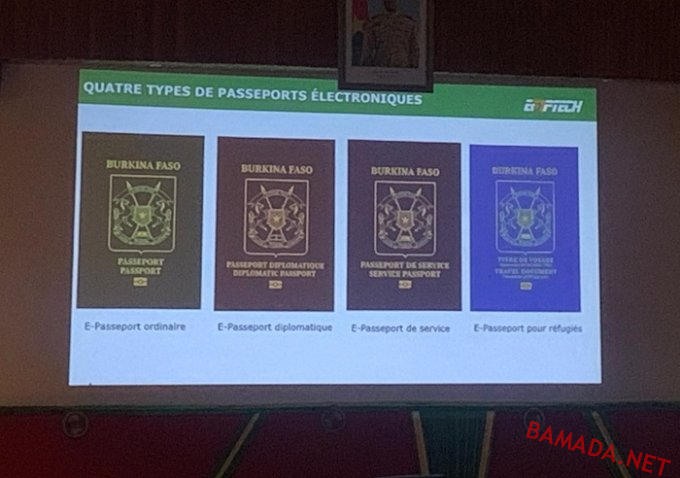
Despite political rupture, the AES has adopted pragmatic measures to keep commerce flowing. Vehicles registered in any ECOWAS country may circulate freely within the AES area, including both private cars and commercial passenger transports, underscoring a rare continuity in cross-border policy.

As CEO of Visamundi, I am dedicated to simplifying international travel by assisting our clients in obtaining visas worldwide. By staying at the forefront of ever-changing regulations, I ensure our agency remains a trusted pillar in the visa services industry.


Get our visa news first in your Google results: add Visamundi to your preferred sources.
