Kenya suspends e-Visa issuance after cyberattack (Update: service restored)
The Kenyan government temporarily halted online visa processing after a cyberattack but has restored service after emergency security measures. Travelers must now opt for visas on arrival until normal operations resume.
UPDATE as of 28 July: service is now back to normal
The Kenyan government has temporarily suspended the issuance of e-Visas for international travellers following a cyberattack on the dedicated electronic-visa website. The move aims to assess the attack’s damage and bolster the online system’s security.
The impact on international travellers
Announced on Thursday 27 July for an indefinite period, the suspension created confusion among travellers planning imminent visits to Kenya. Previously, visitors from many countries could obtain an electronic visa for arrival at Kenya’s main international airports—Jomo Kenyatta (Nairobi) and Moi (Mombasa), among others.
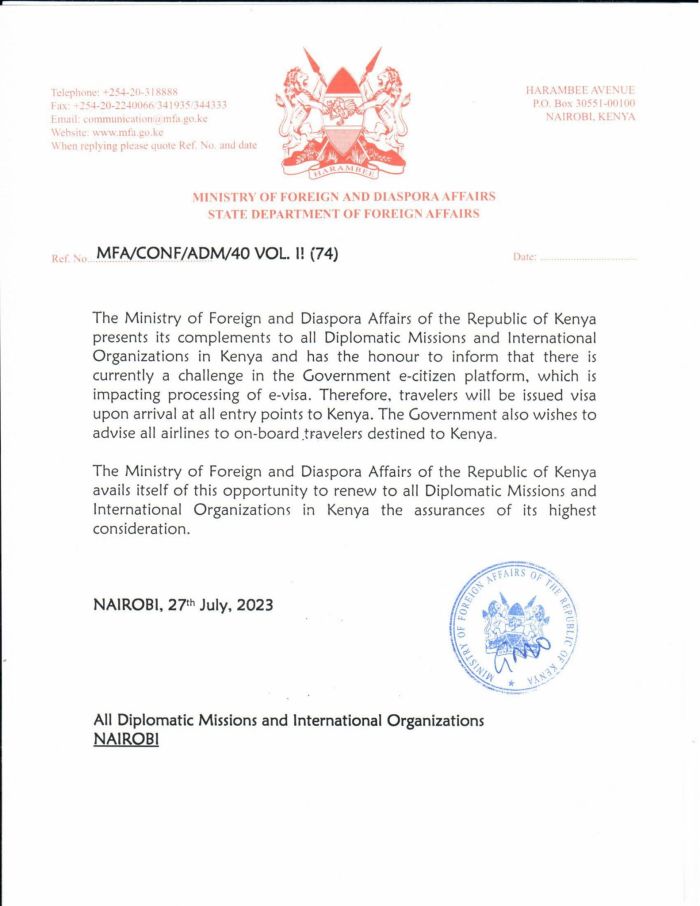
Until normal service resumes, travellers are advised to apply for a visa on arrival. Airlines have been notified of the temporary change; we’ve also blocked short-notice bookings on our forms pending a return to regular operations.
Previously issued e-Visas remain valid and unaffected.
Enhanced security measures against future attacks
The Kenyan government said it is working with relevant authorities and cybersecurity experts to identify the attackers and implement safeguards against further threats. The e-Visa freeze is a temporary protective step to secure traveller data and thwart any fraudulent visa issuance.
A major challenge for Kenya’s tourism sector
Kenya, famed for its national parks, wildlife and pristine beaches, is a top tourist destination. Tourism is a key economic pillar, so a prolonged e-Visa shutdown could hurt the industry. Prompt resolution by the government will be essential to reinstate traveller confidence and smooth entry.
Cybersecurity’s growing role in global travel
This incident underscores how critical cybersecurity has become as countries digitise visas and other administrative processes. Governments worldwide must prioritise protecting digital systems, safeguarding personal data and keeping online services secure.
Public-private collaboration is key
Addressing these risks requires close cooperation between states and cybersecurity experts at national and international levels to deploy effective, technology-proof security protocols. Private firms that operate travel-related e-services, such as electronic visas, share responsibility for protecting customer data and hardening the digital infrastructure.
Spécialiste de la veille réglementaire et experte en contenus destinations, elle analyse quotidiennement l’évolution des formalités d’entrée pour traduire la complexité administrative en guides pratiques. Son rôle combine expertise terrain et précision technique afin de garantir la fiabilité des informations délivrées aux voyageurs.