Global surge in tourist taxes: What travelers need to know
Tourist taxes are expanding worldwide, with over 60 destinations implementing fees to fund local infrastructure and combat overtourism.
·
Tourist taxes are becoming increasingly widespread around the world, with more than 60 destinations now implementing them. Russia is the latest country to join this trend, introducing a new accommodation tax from January 1, 2025.
The tourist tax, also known as an accommodation or visitor tax, is a fee charged to travelers staying in short-term accommodations such as hotels, vacation rentals, or campgrounds. The tax is typically collected per night and per person, with rates varying depending on accommodation category and location. Its primary purpose is to help fund local tourism infrastructure and services, including the maintenance of sites, improved public transport, and destination promotion.
New taxes and hikes in 2025
As of January 1, 2025, Russia imposes a 1% tax on accommodation fees, with a minimum charge of 100 roubles (approximately $0.90) per day. That rate will rise gradually, reaching 3% by 2027.
In Greece, the climate resilience tax will increase from January 1, 2025. For 1–2-star hotels, it will rise to €2.00 per night from €1.50 in 2024.
Lisbon has already doubled its accommodation tax to €4 per night since September 2024, while cruise passengers will be charged €2 per visit.
Global trends
Many European countries already levy tourist taxes, including:
France: between €0.20 and €4.20 per person per night in 2025
Spain: €1 to €4 per night in the Balearic Islands
Italy: up to €10 per night in some cities
Germany: 5% hotel tax in Berlin
Outside Europe, destinations like Thailand (300 THB or $9 at entry) and Japan (¥1,000 or about $7 departure tax) have also adopted similar measures.
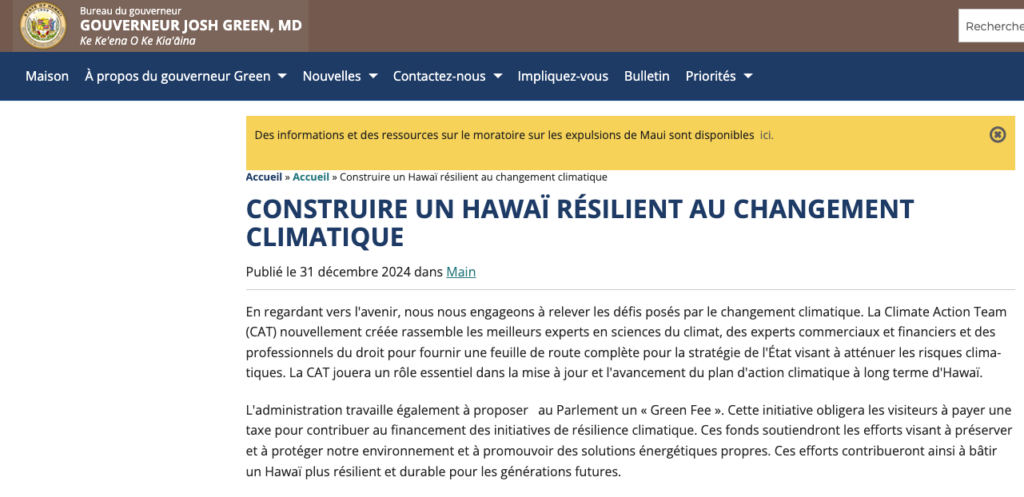
Hawaii’s new ‘Green Fee’ in 2025
Hawaii Governor Josh Green plans to introduce a new tourism impact tax in 2025. Dubbed the “climate impact fee,” the levy aims to fund environmental protection and help address overtourism. The proposed rate is $25 per visitor and the funds would go toward beach maintenance, firebreak creation, and other environmental safeguards.
The fee targets:
Protecting Hawaii’s natural resources
Raising awareness of climate change impacts
Managing visitor inflows sustainably
Purpose and impact on destinations
These tourism taxes are designed to:
Counter overtourism
Support sustainable development projects
Preserve local culture
Upgrade tourism infrastructure
While they add to travel costs, these fees promote more responsible travel and help ensure long-term sustainability for popular destinations.

Get our visa news first in your Google results: add Visamundi to your preferred sources.
