
India digitizes OCI cards with e-OCI rollout
India launches a secure digital OCI card in June 2026, replacing physical booklets for 4.7 million Overseas Citizens and streamlining diaspora travel with online QR-coded credentials.
India’s rapid modernization of its immigration framework reaches another milestone with the June 2026 launch of the e-OCI card, a secure digital replacement for the physical Overseas Citizen of India (OCI) booklet carried by 4.7 million holders around the world.
Why digital now for the OCI scheme
The OCI program, introduced in 2005, was designed to sustain strong links between India and its diaspora. Beneficiaries—mainly people of Indian origin who have acquired another nationality—enjoy a hybrid status allowing residence, employment and study in India without the usual foreigner restrictions. For two decades the status was embodied in a physical booklet often dubbed a “quasi-passport” because of its book-like format and practical importance.
Over time, rising demand, frequent passport renewals and slow consular backlogs exposed the limits of paper. Indian missions became congested, processing times lengthened, and holders juggled consular appointments with postal document exchanges. Parallel reforms since 2023 have sought to fix the full immigration chain: e-Visa roll-out, phasing out paper e-Arrival cards in favour of mandatory digital cards since April 2026, and the spread of biometric Fast Track Immigration gates across the country’s major international airports.
Bringing the OCI fully into the digital fold completes an ecosystem now rebuilt for end-to-end online interaction. “This reform closes a bureaucratic era and launches seamless, secure, paper-free management of stay permits for the diaspora,” officials in the office of Minister Amit Shah said at the launch event.
Official unveiling: e-OCI card goes live 30 June 2026
A high-profile ceremony in New Delhi on 30 June 2026, attended by Home Minister Amit Shah and the unveiling of the new FCRA 2.0 portal for foreign-contribution regulation, marked the formal debut of the e-OCI card. Broadcast across government channels, the event highlighted the benefits: faster processing, elimination of paper logistics, and tighter identity checks via an embedded cryptographic QR code.

The e-OCI card is a downloadable digital file stored on a smartphone and readable by immigration scanners. It holds all the data found on the traditional booklet—photos, lifetime universal OCI registration number, validity dates, travel endorsements—plus secure biometrics. Any foreign-passport renewal triggers an instant update, removing the need to re-issue a paper booklet.
Existing paper booklets remain valid; the e-OCI card is an optional convenience rather than a mandated swap. All the same, after 1 May 2026 (the effective date tied to amendments in the Citizenship Amendment Act), new applications and renewals must use the digital channel unless otherwise exempt.
Adults first in line; minors face new restrictions
Digitalization also tightens rules for minors. Since May 2026 Indian-passport children can no longer hold a second foreign passport, a move aimed at forestalling de-facto dual nationality prohibited by India’s Constitution. Though separate from the e-OCI itself, the rule advances the same goal of stricter, rationalized migration governance.
For adults the change is liberating: no more embassy queues, no stamps, no couriered documents. Everything is channelled through a central portal run by India’s Bureau of Immigration. The OCI registration number becomes a lifelong digital ID tied to the person, not the booklet. The model is inspired by digital identity systems in Estonia and Singapore, promising higher traceability and better interoperability with airlines and border agencies.
How to get your e-OCI card
Existing OCI holders request the digital version solely via the government portal https://ociservices.gov.in.
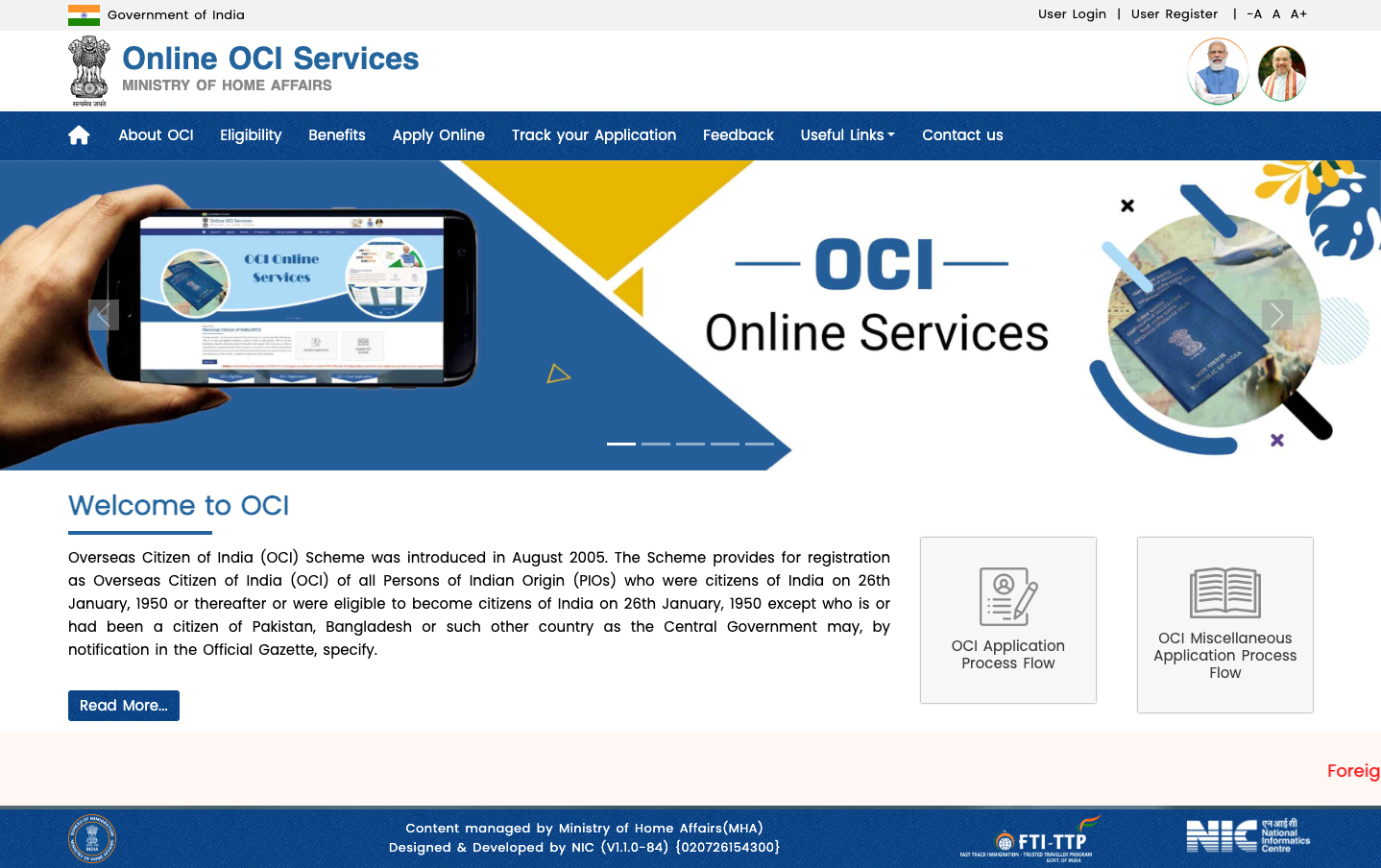
Portal login: sign in with your User ID and password; forgotten credentials can be recovered via the email used in the original application.
Open the e-OCI tab: the dashboard displays several options; a new “e-OCI Card” tab lets you start the digital card creation.
Generate the card: click “Generate e-OCI Card”. The system auto-validates your photo, valid passport biometrics and other data; when checks pass, a secure PDF is produced instantly.
Download and save: save the PDF to your device, a document manager, or your digital wallet (Apple Wallet, Google Pay, etc.); always keep an extra printed copy in case local tech fails during border checks.
Use while travelling: present the e-OCI to Indian immigration and airlines at check-in; the built-in QR code allows rapid, reliable verification.
If successful, the e-OCI could seed future extensions—linking OCI registries with airline reservation systems or broadening the scheme to students, skilled workers and investors.

As CEO of Visamundi, I am dedicated to simplifying international travel by assisting our clients in obtaining visas worldwide. By staying at the forefront of ever-changing regulations, I ensure our agency remains a trusted pillar in the visa services industry.

Get our visa news first in your Google results: add Visamundi to your preferred sources.
