Japan Travel Taxes 2026: New Fees You Need to Know
From accommodation taxes to departure fees, Japan is rolling out new tourism levies in April 2026 to fund infrastructure and combat overtourism. Here’s what travelers must budget for.
·
Japan’s tourism boom shows no signs of slowing down. As visitors flock to Kyoto’s shrines and Tokyo’s bustling streets, the country is taking steps to manage the impact on its heritage and infrastructure. Since 1 April 2026, new tourist taxes are now in effect to preserve its cultural treasures and modernise local amenities.
The Japanese government announced in late 2025 that it would raise hotel and accommodation taxes as well as introduce a departure tax—typically added directly to your airline or ferry ticket price. Visa-exempt entry remains available for eligible travellers, including most Europeans, allowing stays of up to 90 days. The Japanese electronic visa (e-Visa) platform is now open to nationals from Australia, Brazil, Cambodia, Canada, Saudi Arabia, South Africa, Taiwan, the United Kingdom, and the United States.
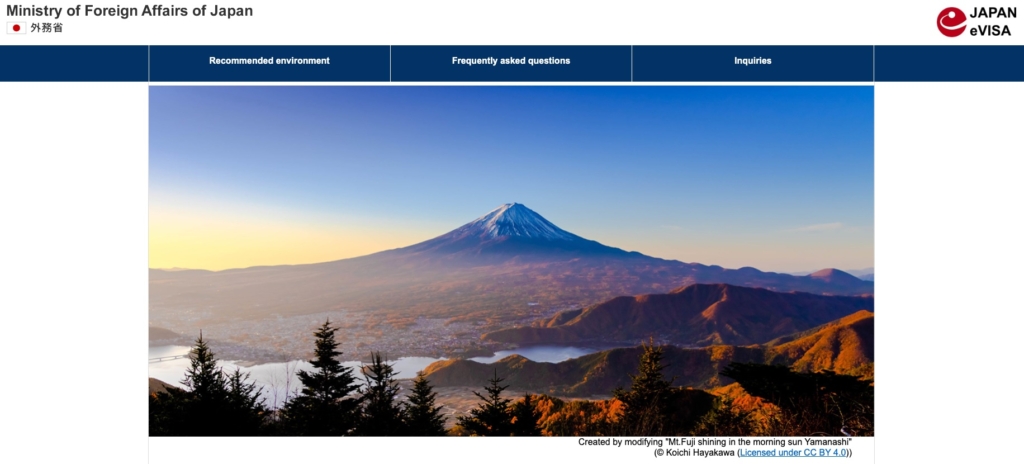
Image via Japan’s Ministry of Foreign Affairs
Why is Japan introducing these new tourism taxes?
Japan is experiencing a wave of overtourism, putting strain on infrastructure and heritage sites. The new measures aim to address this challenge with two key goals:
– Balancing tourist flows to ease congestion in high-traffic areas;
– Funding local infrastructure upgrades—such as multilingual signage, transport upgrades, and heritage site maintenance—so visitors continue to enjoy a seamless experience.
Note: These taxes apply only to overnight stays (hotels, ryokans, hostels). Day trips are exempt from these charges.
Tourism taxes by region: What you’ll pay in 2026
Tax rates are set at the local level, meaning each prefecture or city can set its own fee, usually based on room prices. Lower-cost accommodation will face smaller charges than high-end stays.
Here’s a breakdown of taxes to budget for on your Japan itinerary:
🏔️ Hokkaido and Sapporo (Northern Japan)
Hokkaido Prefecture: Tax ranges from ¥100 to ¥500 per person per night (about €0.60 to €3.00 / $0.65 to $3.30), depending on the accommodation standard.
Sapporo City: Adds an extra surcharge: +¥200 for rooms under ¥50,000/night (~€300), and +¥500 for luxurious stays above that price point.
🛕 Hiroshima (Cultural and Historical Sites)
Hiroshima Prefecture: Only travellers staying in rooms costing over ¥6,000/night (~€36 / $40) are charged a ¥200 per night tax. Cheaper accommodations are exempt.
♨️ Onsen Hot Spring Regions (Gifu, Mie, Kanagawa)
Gifu (Gifu Prefecture) and Toba (Mie Prefecture): Both charge a flat tax of ¥200 per person per night, regardless of accommodation type.
Yugawara (Kanagawa Prefecture): A popular hot spring destination, the city applies a tax of ¥300 to ¥500 per night.
📅 New taxes coming from June 2026
More regions are preparing similar levies. Japan’s Ministry of Internal Affairs has already approved taxes for Nagano Prefecture, Kumamoto, and Miyazaki. Details will be released in due course.
Japan’s departure tax is set to triple by July 2026
The departure tax—already included in most airline tickets—will increase threefold starting in July 2026. While typically bundled into your flight cost, this hike signals Japan’s broader commitment to regulating tourist volumes and generating revenue for sustainable tourism.
Our agency’s top tips for hassle-free travel:
Carry cash (yen): While major hotels often include the tax in online bookings, many traditional lodges (ryokans) and small stays request payment in cash at check-in or check-out. Always have small notes and coins on hand.
Plan your itinerary wisely: Day trips are not subject to tourist taxes, so consider basing yourself in a lower-tax region and using regional Japan Rail Pass options for daily exploration.
Prepare your travel documents in advance: Japan is tightening entry rules to sustain visitor comfort. Verify visa requirements—especially if you're from a non-exempt nationality—ahead of time to avoid last-minute issues.

Get our visa news first in your Google results: add Visamundi to your preferred sources.
