Jordan Waives Visa for Libyans, Boosting Tourism and Diplomatic Ties
Jordan eliminates visa requirements for Libyan travelers, opening doors to Petra, the Dead Sea, and Wadi Rum while reviving tourism and strengthening regional ties.
A new chapter is unfolding for Libyan travelers eager to explore Jordan’s treasures. The Hashemite Kingdom has just simplified entry for Libyan nationals by waiving visa requirements.
This decision, announced by Jordan’s Ministry of Interior, marks a turning point in relations between the two countries. Gone are the administrative hurdles and long waits to secure the vital travel document. Now, Libyans can enter Jordanian territory armed only with their passports.
This move comes at a critical time for Jordan’s tourism sector, which continues to rebound after years of pandemic challenges. By welcoming Libyan visitors, Jordan aims to attract a new wave of travelers eager to discover its iconic sites, including Petra, the Dead Sea, and the desert landscape of Wadi Rum.
Royal Jordanian Resumes Flights to Libya
Another positive sign: Royal Jordanian, Jordan’s national airline, has announced it will resume flights to Libya. This development aligns with the easing of entry conditions and is expected to further facilitate travel between the two nations.
Under the new rules, Libyan travelers may stay in Jordan for up to 90 days—plenty of time to explore the country’s diverse attractions, from the capital, Amman, to the shores of the Red Sea and the ancient ruins of Jerash.
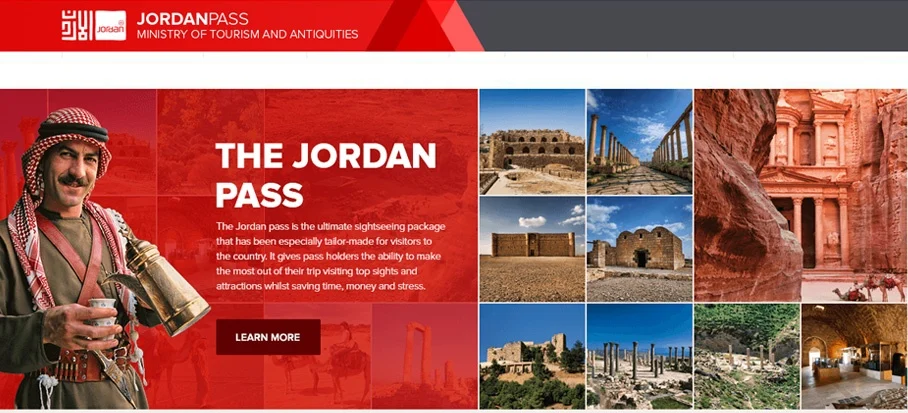
Against this backdrop of openness, the Jordan Pass emerges as an essential tool for Libyan travelers seeking to explore the Hashemite Kingdom. This popular travel pass, which grants access to more than 40 tourist sites—including the world-famous ancient city of Petra—also waives visa fees (for eligible nationalities) for stays of three or more consecutive nights.
A Strong Diplomatic Gesture
Beyond its economic benefits, this decision carries significant political weight. By waiving visas for Libyans, Jordan underscores its commitment to deepening ties with Libya.
This rapprochement unfolds against a shifting regional backdrop, where several Arab countries are normalizing relations with neighboring Syria. Jordan’s move reflects its own strategic vision as it looks toward Libya for growth and partnership.
That said, Libya’s passport holders still face extensive travel restrictions worldwide. According to the Global Passport Power Rank 2024, Libya ranks 86th globally in travel freedom—tied with Palestine and Sudan. Its citizens enjoy visa-free or visa-on-arrival access to only 52 countries and territories.
Meanwhile, many countries continue to enforce strict measures against Libyan travelers. The United States and Canada still require Libyans to undergo a complex visa application process, while the European Union mandates Schengen visas for all Libyan visitors. More surprisingly, some countries, such as Bangladesh, have banned entry entirely for holders of Libyan passports. |
Spécialiste de la veille réglementaire et experte en contenus destinations, elle analyse quotidiennement l’évolution des formalités d’entrée pour traduire la complexité administrative en guides pratiques. Son rôle combine expertise terrain et précision technique afin de garantir la fiabilité des informations délivrées aux voyageurs.