Morocco Ends 24-Hour Spanish Visas for Ceuta and Melilla Workers
Morocco bans Spanish short-stay visas for Ceuta and Melilla cross-border workers after years of reliance, forcing a shift to stricter Schengen permits.
The Moroccan authorities have recently confirmed the ban on issuing short-term visas (24 hours) by Spanish consulates for workers seeking to enter Ceuta and Melilla. This measure primarily affects cross-border workers who had relied on these visas to work in the Spanish enclaves.
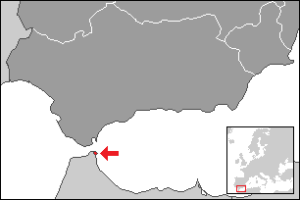
Before the pandemic, more than 2,200 Moroccan women commuted daily to Ceuta, but that number has now dropped to around 1,000. About 70% of household employees in Ceuta are Moroccan residents who work during the day and return home in the evenings. An estimated 8,000 cross-border workers—both documented and undocumented—currently operate in the city.
This policy change follows repeated expressions of dissatisfaction from Moroccan officials regarding the special treatment afforded to cross-border workers, who previously required only a passport and a 24-hour visa to enter the autonomous Spanish cities of Ceuta and Melilla.
Reasons Behind the Decision
One of the key reasons for this decision may be linked to Morocco’s intention to strengthen its borders and gain tighter control over migration flows between its territory and the Spanish enclaves on the African continent.
This move may also be seen as a strategic lever for Morocco to pressure Spain into concessions across economic, trade, and security cooperation.
Recommendations for Cross-Border Workers
Current cross-border workers holding existing visas are urged to check expiration dates and arrange for timely renewal.
Those requiring new visas to work in Ceuta or Melilla should inquire about the procedures for obtaining a Schengen visa.
Job seekers based in Morocco considering positions in Ceuta or Melilla must account for the new visa rules when applying.
The end of short-term visas may indirectly impact local businesses dependent on cross-border labor. With higher costs and more complex processes for Schengen visas, some workers may opt out of employment in the Spanish enclaves, potentially leading to labor shortages and recruitment challenges for skilled roles.
Spécialiste de la veille réglementaire et experte en contenus destinations, elle analyse quotidiennement l’évolution des formalités d’entrée pour traduire la complexité administrative en guides pratiques. Son rôle combine expertise terrain et précision technique afin de garantir la fiabilité des informations délivrées aux voyageurs.