

Survey reveals travelers' views on consular services
A Visamundi study of 7,200 respondents exposes widespread frustration with consular services, from opaque procedures to inaccessibility, pushing many toward outsourcing.
·
Following a study conducted by Visamundi, 5,700 individuals and 1,500 professionals were surveyed about their perceptions of consular services. We wanted to share the results of this December 2019 study.
The first key finding is that when purchasing a tourism service abroad, 1 in 2 customers seek advice from travel professionals to help with the formalities.
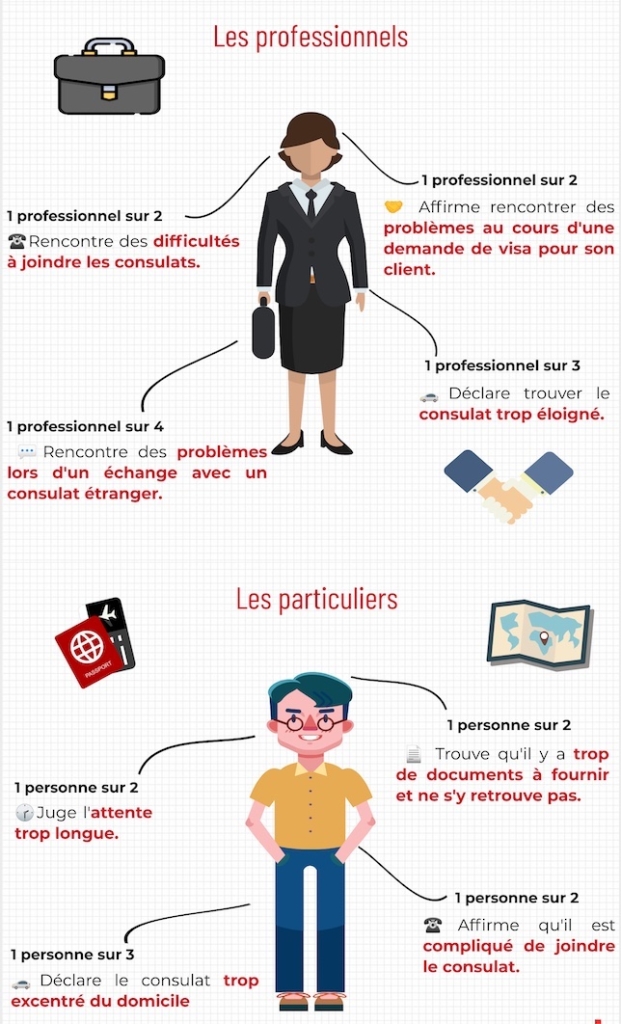
Tourism professionals also face this issue. 1 in 2 professionals encounters difficulties when processing visas but still handles the procedures themselves.
We arrive at the finding that 1 in 3 people are dissatisfied with the service delivered by the consular offices contacted 😥
For professionals in the sector, the reality is stark: 1 in 2 experts report major difficulties when compiling a file for their clients. This complexity is compounded by often inadequate communication with consular authorities. In fact, half of the professionals struggle to get in touch with the relevant services, while a quarter report difficult, even tense, interactions with foreign consulates.
Adding to these frustrations is a notable physical constraint: 1 in 3 travel industry actors complain about the remote location of processing centers.
Individual travelers share this sense of exhaustion in the face of bureaucracy. For half of them, the sheer volume of documents required means they no longer know which paperwork they need to provide. This mental overload is worsened by waiting times considered excessive by 1 in 2 respondents, not to mention the recurring difficulty in obtaining telephone assistance. As with professionals, geographical access remains a major barrier for 1 in 3 travelers who find the consulate too far from their home.
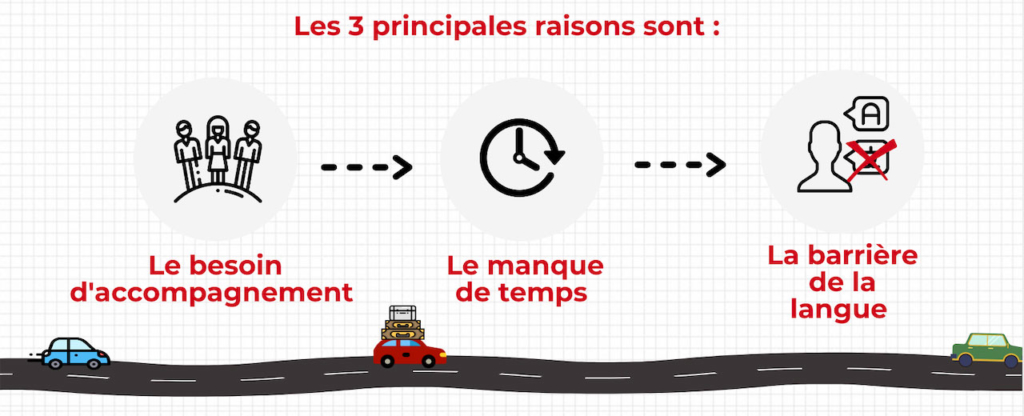
Given these findings, outsourcing has become a strategic necessity, revolving around three core needs. The first is human support to overcome isolation in the face of opaque procedures. The second is time management, a precious resource that travelers prefer to spend planning their itinerary rather than dealing with paperwork. Finally, the language barrier is the ultimate hurdle, with official forms rarely available in French. By delegating these formalities, travelers gain the assurance of a stress-free departure, free from administrative issues that could jeopardize their adventure.
As CEO of Visamundi, I am dedicated to simplifying international travel by assisting our clients in obtaining visas worldwide. By staying at the forefront of ever-changing regulations, I ensure our agency remains a trusted pillar in the visa services industry.
Get our visa news first in your Google results: add Visamundi to your preferred sources.
