
UK bans EU meat and dairy imports as foot-and-mouth risk rises
The UK Government has extended a ban on personal imports of meat and dairy from all EU countries, effective since 12 April 2025, citing foot-and-mouth disease risk.
Planning a trip to Great Britain—or returning from an EU country soon? The UK Government has extended the ban on personal imports of meat and dairy products from every EU country. The measure came into effect on Saturday, 12 April 2025, as part of efforts to protect British farmers and the UK food system from foot-and-mouth disease.
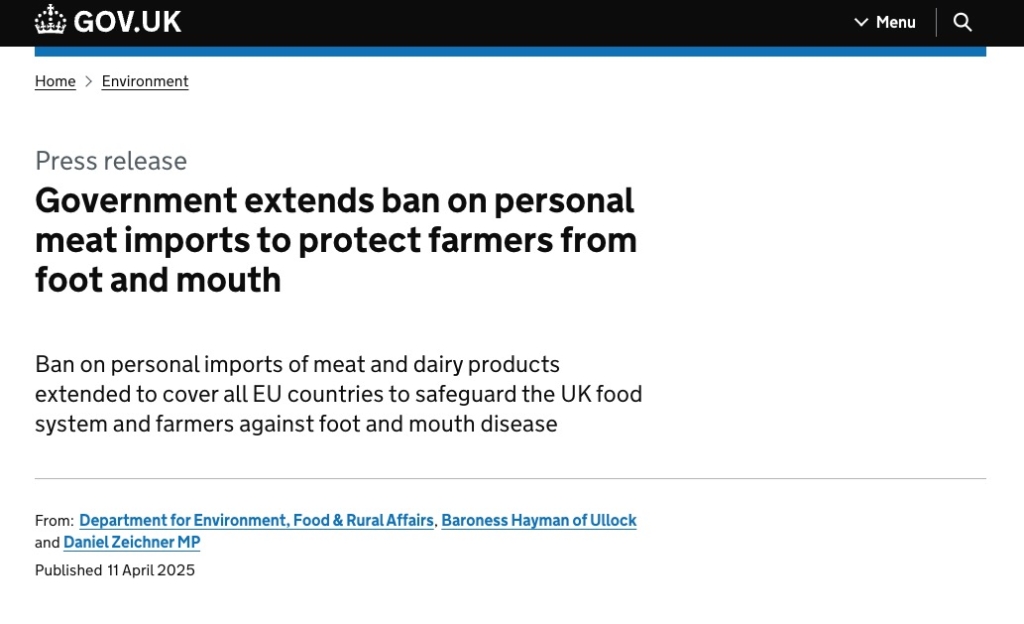
UK Government announcement
This decision follows a rise in foot-and-mouth cases across Europe. While the viral disease is harmless to humans, it is highly contagious in cloven-hoofed animals—including cattle, sheep, goats, pigs and wild species such as boar, deer, llamas and alpacas. A UK outbreak could have severe economic repercussions for farms, causing significant production losses and potentially disrupting exports for livestock, meat and dairy.
What does this mean in practice?
From 12 April onward, it is illegal for travellers arriving in Great Britain from any EU country to bring in items such as meat-containing sandwiches, cheese, cured meats, raw meat or fresh milk, regardless of packaging or duty-free purchase.
This ban covers packaged, wrapped or duty-free goods.
Travellers are urged to leave such products out of their luggage when returning from the EU.
The extended restriction does not apply to personal imports from Northern Ireland, Jersey, Guernsey or the Isle of Man. A limited number of exemptions remain—including breast-milk substitutes, medically required foodstuffs and composite products such as chocolate, sweets, bread, cakes, biscuits and pasta.
What happens if you’re found with prohibited items?
Border Force officers can ask you to surrender them for destruction. In the most serious cases, transporting banned products can result in fines of up to £5,000 in England.
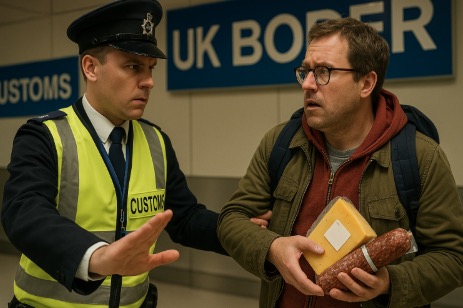
The policy follows earlier restrictions introduced earlier this year banning personal meat and dairy imports from Germany, Hungary, Slovakia and Austria in response to confirmed foot-and-mouth outbreaks in those countries. Extending the prohibition across all EU states provides clearer rules for travellers and helps mitigate evolving disease risks to UK livestock.
The UK Secretary of State for Environment, Food and Rural Affairs, Daniel Zeichner, said the Government is committed to doing everything possible to protect British farmers from foot-and-mouth disease. Meanwhile, Deputy Chief Veterinary Officer Dr Jorge Martin-Almagro warned that the extension reflects rising detection of the disease across EU member states and the higher risk of introduction into Great Britain.
The viral disease is harmless to humans but has struck the UK before. In 2001 the country experienced an epidemic that led to the culling of up to 10 million animals and an estimated £8 billion economic cost to the economy. The current precaution aims to prevent a repeat of such devastation. |
