
White House Task Force Aims to Tackle Visa Chaos for 2026 World Cup
With the 2026 World Cup co-hosted by the U.S., Mexico and Canada, the White House is launching a specialized task force to streamline visa processes and prevent administrative bottlenecks for players, officials and millions of fans.
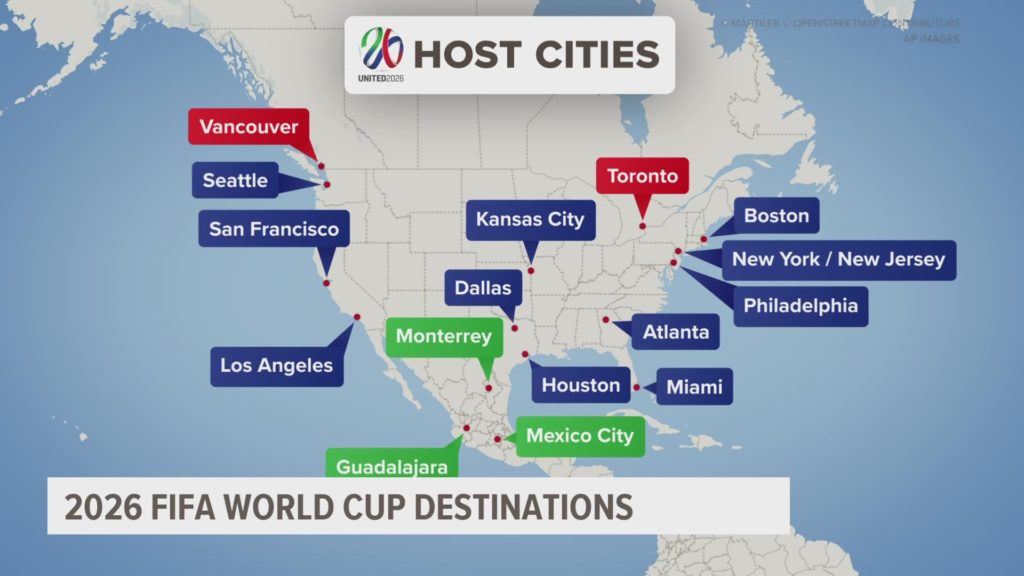
The White House has announced the creation of a specialized working group to prevent visa chaos during the 2026 FIFA World Cup, as concerns grow over complex U.S. entry protocols that could impact millions of fans. The tournament will be hosted by the United States, Mexico and Canada.
Triple the hosts, triple the problems?
A dedicated team will address worries that players, support staff and millions of travelers could face bureaucratic hurdles. Although the event is still three years away, officials are acting now to develop a system that ensures all participants can travel without issues. FIFA is coordinating with U.S. counterparts on what promises to be a complex, long-term effort.
The tournament’s expansion—48 teams playing 104 matches, up from 64—adds further complexity. U.S. entry is likely to be the biggest hurdle: obtaining a U.S. visa is already notoriously complicated and time-consuming, a challenge exacerbated by COVID-era backlogs. Ensuring athletes can secure necessary travel documents in time remains a top priority, especially if teams from countries whose citizens are normally barred from entering the U.S. qualify; special exemptions would be required in those cases.
Additional complications may arise around entry requirements for individuals with criminal records. Teams and their supporters will also need to navigate cross-border travel between host nations with minimal notice as knockout rounds progress.
Rumors of a global "fan card"—like those used in Russia 2018 or Qatar 2022—appear unlikely, as such passes could be exploited by travelers seeking illegal entry to the U.S.
America: dream destination, visa nightmare
The U.S. has long been recognized for its strict immigration procedures. The visa process can be lengthy, expensive and uncertain, often requiring extensive documentation, embassy interviews and long waits—some applicants currently face waits exceeding 90 days at U.S. missions abroad. Burdens on travelers increased after 9/11, with enhanced security measures adding layers of complexity to an already intricate system.
The COVID-19 pandemic compounded the issue: embassy closures, suspended consular services and shifting travel restrictions stretched processing times and deepened uncertainty. Ever-changing immigration policies and presidential decrees have compounded confusion for many applicants.
In this landscape, hosting a global event such as the FIFA World Cup in the United States presents unique visa challenges. With thousands of players, officials, media and fans seeking entry, the potential for visa-related disruptions is significant. The White House’s move to form a task force underscores the gravity of these challenges and the shared goal of delivering a smooth tournament experience.
A specialist in regulatory monitoring and a content destination expert, she analyzes daily changes in entry formalities to turn complex administrative processes into practical guides. Her role blends ground-level expertise with technical precision to ensure the reliability of the information provided to travelers.


Get our visa news first in your Google results: add Visamundi to your preferred sources.


