Will future humanoid robots need visas to cross borders?
As humanoid robots prepare to enter global workforce deployments, countries grapple with classifying these AI-powered machines under current visa and customs frameworks.
·
The rapid arrival of humanoid robots—powered by Tesla’s Optimus, Boston Dynamics, and Figure—is raising a question straight out of a Philip K. Dick novel: should a robot need a visa to cross a border?
While the idea may seem absurd, legal experts and customs officials are taking it seriously. By 2026, as the first large-scale industrial deployments begin, here’s the current state of play regarding the “traveler status” of these new machines.
Merchandise or Passenger? The Legal Gray Area
Legally, a humanoid robot is not a “person.” Across global immigration services (United States, Schengen zone, China), these machines are classified as industrial or technological goods.
The ATA Carnet: Today’s Robot Passport
If you transport a humanoid across borders today—for a demo, trade show, or technical mission—you don’t go to a consulate. You go to the Chamber of Commerce.
The required document: The ATA Carnet (Admission Temporaire). It allows temporary export of robots across more than 80 countries without paying customs duties or VAT—but the unit must be re-exported within 12 months.
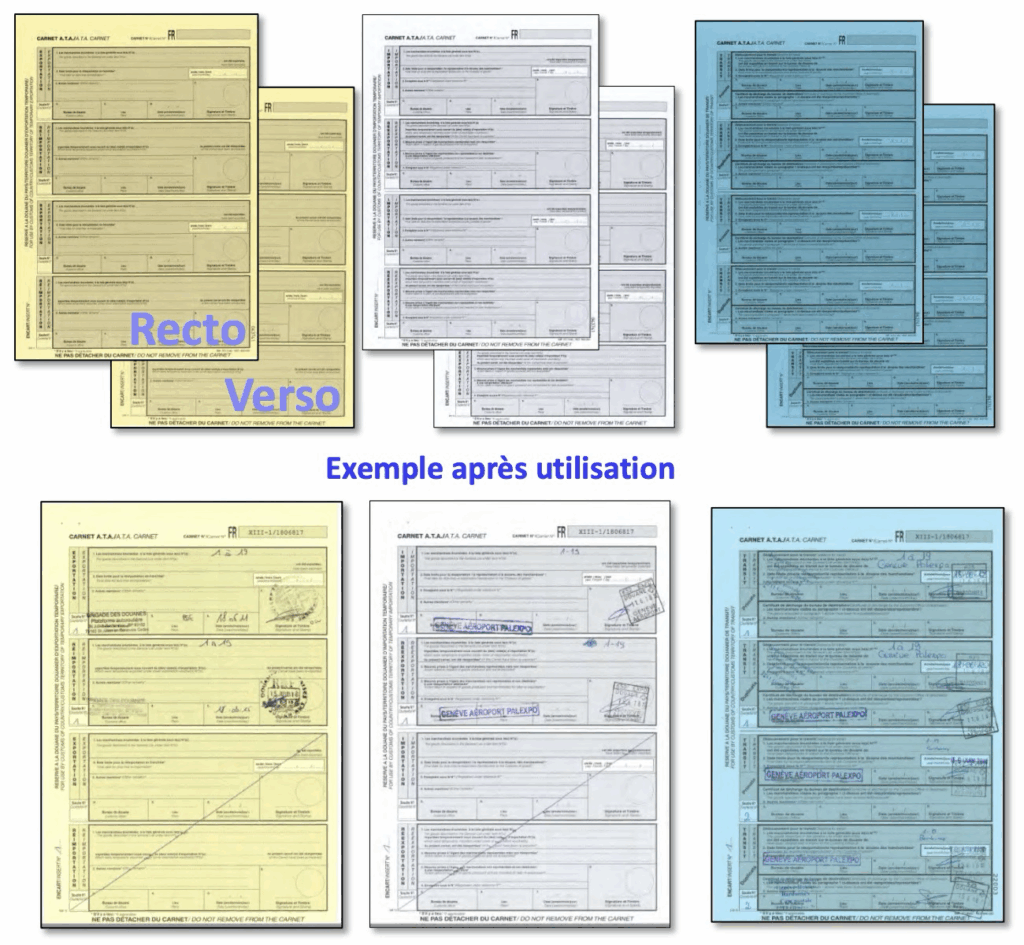
The ATA carnet presented by the CCI de Charente
The ‘Robot Worker’ Scenario
This is where current rules fall short. Take a French firm leasing Tesla Optimus units to a factory in Mexico.
Employment visa? No. The regime governing service or equipment import applies. Some labor unions are now pushing for a “robotic immigration tax” to offset job losses—a kind of social tariff on automation.
Why a ‘Human’ Visa Might Become Reality
Several nations are exploring the concept of Electronic Legal Personality. Saudi Arabia blazed the trail in 2017 by granting citizenship to the robot Sophia. Though largely symbolic, the move creates a complex precedent.
Security Challenges
Humanoid robots bristle with 4K cameras, high-fidelity microphones, and dense sensor arrays. Bringing one into the United States or China could be seen as admitting a mobile surveillance device.
We may soon see data-storage declarations attached to entry permits: Where do images captured by the robot during its stay remain? Who owns them?
TraveL Type | Legal Status | Required Document |
|---|---|---|
Exhibition / Trade Show | Professional Equipment | ATA Carnet / Customs Declaration |
Maintenance / Factory Deployment | Industrial Equipment | Pro forma Invoice + Import License |
Personal Use | Special Baggage | CE/UL Conformity Declaration |
Expert Perspective: Don’t Expect a Stamp in Their Passports (For Now) |
One unresolved issue remains:
What about the high-capacity lithium-ion batteries in humanoid robots? They’re barred from standard airline cabins. Cargo freight may be the only option.
Planning to ship robotics or automation units abroad? Contact us for customs-compliance guidance and avoid border delays.

As CEO of Visamundi, I am dedicated to simplifying international travel by assisting our clients in obtaining visas worldwide. By staying at the forefront of ever-changing regulations, I ensure our agency remains a trusted pillar in the visa services industry.
Get our visa news first in your Google results: add Visamundi to your preferred sources.
