Bali Expands Tourist Tax Payment Points to Boost Compliance
Bali expands tourist tax payment options to over 20 new electronic points, including major sites like Uluwatu Temple and Lovina Beach, to boost compliance from just 35% to higher rates.
·
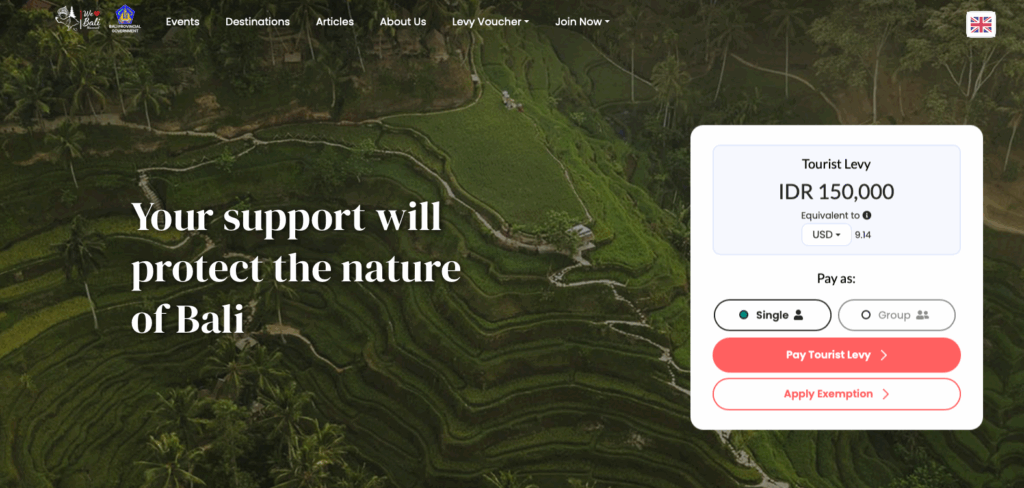
Since introducing its tourism tax in February 2024, Bali’s authorities have sought to ensure that all international visitors pay the mandatory 150,000 IDR fee (≈€9) before leaving the island. Yet official figures reveal that just 35% of tourists complied in the first year.
Digitalisation and New Payment Points
A major hurdle has been the scarcity of accessible payment points. While the LoveBali website and app allow payments at any time, few visitors are aware of the option. At Ngurah Rai International Airport, desks are available, but many travelers overlook the requirement amid flight and visa formalities.
In-Person Tax Payments at Iconic Sites
To close this gap, authorities have widened the points of collection. Travellers can now settle the tax during visits to popular attractions, including Uluwatu and Tanah Lot temples, often at tourist-police checkpoints.
Facing a sudden budget shortfall, the Bali provincial government is rolling out additional payment points, especially in the northern Buleleng region—home to Lovina Beach, Munduk waterfalls and West Bali National Park. Twenty new electronic kiosks and ticketing devices have been installed across major attractions there.
The push for digitisation aims to make payment friction-free for card-preferring tourists and to provide real-time financial transparency. The modernisation also touches tourism experiences, with Lovina dolphin-watching tours slated as a pilot for e-ticketing.
Stronger Outreach Needed
Officials admit that many visitors still do not grasp this obligation. International arrivals often remain unaware that the tax funds Balinese culture, environmental conservation and infrastructure upgrades. The full budget breakdown—around 318 billion IDR (≈$19.2 million)—has yet to be published.
Toward Greater Transparency
In March 2025, Bali Governor Wayan Koster announced that the first tranche of tax revenue had been channelled directly to traditional villages as required by law, supporting local culture, nature and infrastructure.
By expanding access and boosting transparency, Bali is working to make the tourism tax both easier to pay and more clearly beneficial to the island’s communities and environment.


Get our visa news first in your Google results: add Visamundi to your preferred sources.
