
South Korea Simplifies K-ETA Visa Entry Process for Tourists
South Korea expands K-ETA visa waiver program language support, mobile app access, and travel services to improve tourist entry and experience.
·
The South Korean government has announced a suite of measures to make it easier for foreign visitors to enter the country and stimulate its tourism industry. One of the key initiatives involves expanding the K-ETA (Korea Electronic Travel Authorization) system to a broader range of travelers and languages.
The K-ETA is an electronic travel authorization that allows citizens of around 112 countries to enter South Korea for short-term tourism without needing a visa. Currently, the K-ETA application process is only available in English via the mobile app on Android and iOS.
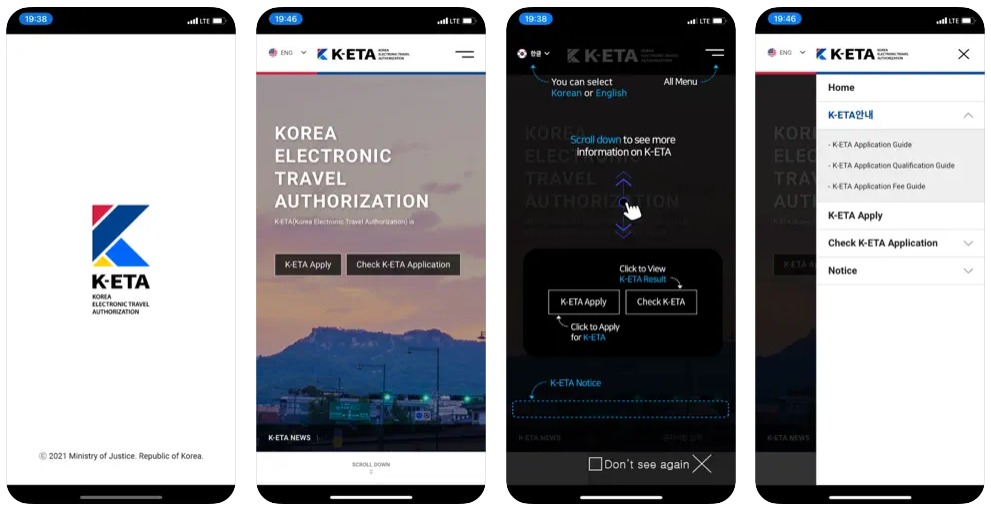
According to the Ministry of Justice, the K-ETA system will be expanded to support additional languages, including Chinese, Japanese, Spanish, French, German, Russian, Vietnamese, Thai, Malay, and Indonesian. The K-ETA website will also be translated into these languages.
Enhancing the Tourist Experience
The government’s plan goes beyond entry formalities, aiming to improve the overall experience for visitors during their stay in South Korea. Key measures include:
Measure | Description |
|---|---|
Mobile Apps | Popular mapping apps will offer services in English and Chinese so tourists can access key information in their language. |
Public Transport | Visitors will be able to purchase rechargeable transit cards using foreign-issued credit cards, even before arrival. |
Baggage Delivery | The baggage delivery service that transports luggage from KTX train stations to hotels will be expanded to 16 stations nationwide, up from the current nine. |
Cultural Events | Cultural events showcasing the latest South Korean trends will be held across the country. |
The South Korean government will also work with local authorities to train translators in less commonly spoken languages such as Vietnamese, Thai, Malay, and Indonesian to better assist visitors from these regions.
Under the “Local 100” initiative to promote rural tourism, the Ministry of Culture, Sports and Tourism has announced that the minister will personally visit each of the 100 selected regions in 2024 and 2025 to highlight these hidden gems.
Additionally, a press release from the Ministry of Culture, Sports and Tourism dated April 5, 2023, noted that the government introduced a “K-culture visa” to allow foreigners to train at institutions linked to Korean culture—including in K-pop.

As CEO of Visamundi, I am dedicated to simplifying international travel by assisting our clients in obtaining visas worldwide. By staying at the forefront of ever-changing regulations, I ensure our agency remains a trusted pillar in the visa services industry.

Get our visa news first in your Google results: add Visamundi to your preferred sources.
