Thailand’s 300 THB Entry Fee Returns: What Travelers Need to Know
Thailand’s long-awaited 300 baht tourist fee is back. Learn who pays, how much, and how to settle it digitally before your trip to avoid surprises at immigration.
·
First floated as a plan in 2020, approved by Thailand’s cabinet in February 2023, then shelved—until now: the country’s famed 300 Thai-baht entry fee is back on the calendar. If you’re planning a trip to Thailand, getting to grips with the new process is the best way to avoid a last-minute surprise at the airport or land border.
Interior Minister Anutin Charnvirakul confirmed in a social-media announcement that the 300 baht arrival charge for air passengers will be tabled at the next cabinet meeting, accelerating the timetable and making the fee an early priority for the “Anutin 2” government.
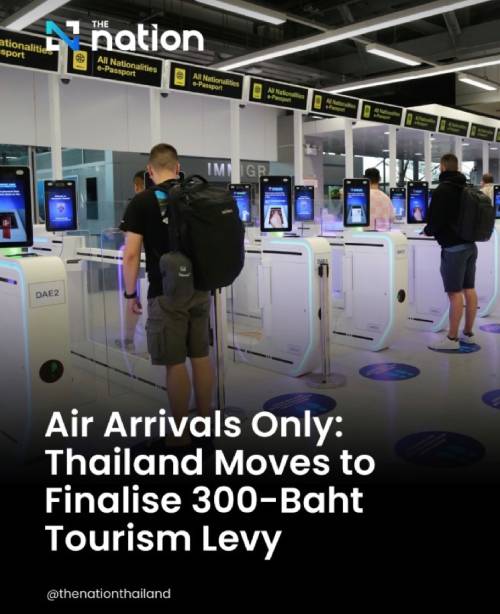
Photo: Nation Thailand
The key points at a glance
All foreign leisure visitors—diplomats and holders of a Thai work permit are excluded—will be required to pay the new fee as follows:
Airlines: 300 THB (≈9 USD) for every international flight arrival.
Land & sea borders: 150 THB upon entry via Malaysia, Laos, Cambodia, or Myanmar.
Why is Thailand introducing this fee?
The Ministry of Tourism and Sports has framed the levy—often called a “Landing Fee”—as a sustainability and safety upgrade rather than a simple accommodation tax.
Visitor protection: Roughly 60 bahts is earmarked for an automatic travel health-insurance policy, covering emergency medical costs up to state-defined ceilings if you’re involved in an accident while in the country.
Responsible tourism: The remainder will finance national-park upkeep, conservation programs, and visitor-safety infrastructure at high-traffic sites.
The smart way to pay: digital first
Thailand is rolling out cashless processes to keep queues short and the arrival experience smooth.
Flying in? Expect the 300 THB fee to be quietly added to your air-ticket price at checkout. There’s no extra step at immigration.
Entering overland or by sea? Travellers from Malaysia, Laos, Cambodia or Myanmar will be guided to a dedicated online portal or app to settle the reduced 150 THB charge before they reach passport control.
Note: This new fee is an addition to—not a substitute for—standard visa formalities (e-visa, visa on arrival, or existing waiver policies).
Two new form-fillers you’ll need to tick off
The 300 baht arrival charge arrives hot on the heels of two sweeping digital-admissions changes rolling out in 2025. Coordinate them with your travel dates to stay trouble-free at check-in and on arrival.
TDAC (Thailand Digital Arrival Card): From 1 May 2025 every international passenger entering Thailand—whether by air, road or sea—must submit the new 72-hour-prior digital arrival card. It replaces the old paper TM6 form and captures personal, travel and entry details. Complete it online or via your airline’s app.
ETA (Electronic Travel Authorization): Visitors who currently enjoy a 60-day visa-free stay under the exemption list will eventually need to register online before departure, similar to the U.S. ESTA or Canada’s eTA. Authorities are also evaluating plans to trim the visa-free window from 60 to 30 days.
→ Read our latest update
Tourist or long-stay Visa needed? Whether you’re after a TR tourist visa or an OA/OX retirement or work permit, our agency can handle every document step without the stress.
👉 Check eligibility and order your e-visa here.
Get our visa news first in your Google results: add Visamundi to your preferred sources.
