What to Do If You’re Caught Photographing a Restricted Location While Traveling
Photographers risk fines and confiscation in restricted areas, from museums to historic sites. Learn how to handle being caught and avoid trouble while traveling.
·
Travel is the perfect chance to capture stunning, exotic monuments and landscapes—many travelers love preserving these memories with a camera. However, some tourist sites impose strict restrictions on visitors carrying phones, cameras, drones, or video equipment. While some rules are merely suggestive, others carry serious penalties if violated by photographing prohibited locations.
Which tourist spots can’t you photograph while traveling?
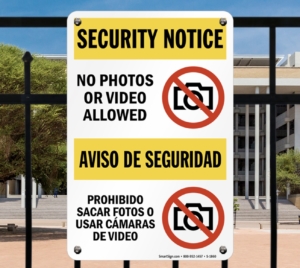
Around the world, the “No Photography” sign appears before and inside numerous political, religious, and cultural sites. In Venice, Italy, for example, tourists may not photograph the interior of St. Mark’s Basilica to protect its dazzling mosaics. In Amsterdam, the Netherlands, photos are banned in the Van Gogh Museum so visitors can fully appreciate the art experience. There’s no shortage of such examples.
Aerial photography is also increasingly regulated due to the booming drone industry. In 2017, the French government published a list of locations where aerial photography is prohibited. This list primarily includes military installations across mainland France and its overseas departments and regions.
For photography enthusiasts, the reasons behind such bans can be deeply frustrating. However, in most cases, the law targets the unauthorized publication or distribution of photos—not their private capture. In France, this is notably true for images of the Eiffel Tower at night, since the monument’s lighting is protected by copyright. If stopped, you could argue you intended to keep your photos private, but authorities rarely accept that excuse.
What happens if you photograph a restricted area while traveling?
Capturing images where photography is banned may expose you to fines or other penalties. Always follow posted rules, especially in museums, temples, or mosques that require you to leave cameras at the entrance.
If caught photographing a restricted area by security staff, be honest and delete the images immediately—particularly in countries where such an act could derail your trip. In Iran, for example, paying a small fee is often required not only to enter but also to photograph certain gardens or museums; skip the payment, and you’ll visit but leave with no photos.

As CEO of Visamundi, I am dedicated to simplifying international travel by assisting our clients in obtaining visas worldwide. By staying at the forefront of ever-changing regulations, I ensure our agency remains a trusted pillar in the visa services industry.
Get our visa news first in your Google results: add Visamundi to your preferred sources.
