Can't Pay for Your Cameroon Visa? Here's a Possible Reason
The Cameroon e-visa platform evisacam.cm has migrated to evisacam.com, but users still face critical payment failures—especially when using foreign-issued credit cards. We explore what’s behind the growing frustration and how it affects travelers and the country.
·
The Cameroon e-visa initiative was designed to streamline entry for foreign travelers, yet users are increasingly frustrated by persistent online payment failures that delay or even derail visa applications. A recent shift in the platform’s domain name has done little to resolve the core issue.
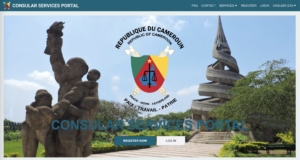
Cameroon’s e-visa portal migrates from evisacam.cm to evisacam.com
The digital visa platform has moved from the .cm country-code domain to evisacam.com. The switch is intended to boost global visibility and strengthen user trust, but technical barriers remain.
Ongoing payment problems
Despite the rebranding, many travelers report that foreign-issued bank cards are rejected, leaving applicants scrambling for alternative payment routes. Some turn to local intermediaries charging above-normal fees, adding cost and risk to the process. User dissatisfaction continues to grow as payment failures delay or block visa issuance.
System ill-suited to international travelers
The Cameroon e-visa project aims to simplify entry formalities for foreign visitors. However, its technical framework introduces new hurdles: visa fees must be paid in euros. This requirement disproportionately affects travelers living outside the eurozone whose cards may not support euro-denominated transactions, increasing denials and delays.
Impact on national economy and tourism
Unresolved payment issues risk undermining Cameroon’s economic growth and tourism appeal. Visa setbacks can discourage international visitors, suppress traveler numbers, and reduce foreign investment—weakening a vital sector for the country’s development.

As CEO of Visamundi, I am dedicated to simplifying international travel by assisting our clients in obtaining visas worldwide. By staying at the forefront of ever-changing regulations, I ensure our agency remains a trusted pillar in the visa services industry.

Get our visa news first in your Google results: add Visamundi to your preferred sources.
