

Nepal e-Visa / ETA now fully operational
Nepal’s Department of Immigration has announced in early September 2026 that its electronic travel authorization (ETA) is now fully available, allowing tourists to obtain a visa before departure via email.
While the visa-on-arrival option remains available at Tribhuvan and other entry points, twelve nationalities are now required to apply in advance.
How Nepal’s electronic travel authorization now works
An updated dedicated page, released on 2 September 2026, describes the new electronic travel authorization, also marketed as an eVisa. Travellers can apply online from home, pay in US dollars by card, and receive approval via email. They print the document and present it on arrival.
The Department of Immigration now offers two online routes. The first runs through its own portal and is processed in Kathmandu. The second uses the diplomatic-mission portal—embassy or consulate—with varying payment methods depending on post.
For most travellers, the immigration recommends the direct route. The consular pathway remains open for those whose post requires it or for travellers seeking a specific visa category.
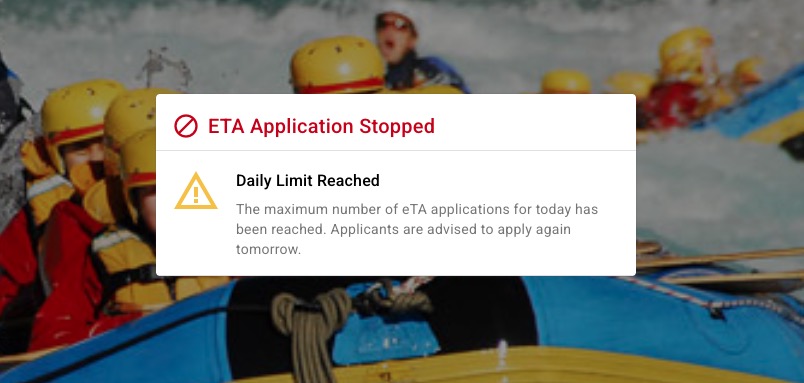
Editor note: daily quotas may apply.
Don’t confuse it with the visa-on-arrival
The risk of shortcuts is high. In its visa-category guide, the Department of Immigration confirms that Tribhuvan International Airport still issues tourist visas on arrival, with a quick process. Its services page even lists visa-on-arrival, electronic travel authorization, and in-mission visas side-by-side as three ways to secure the same travel document.
At the counter, the arrival-card and tourist-visa form must be completed—online before departure or at the airport kiosks—fees are paid at the bank counter, and travellers present to the immigration desk with the receipt and passport. The printed, barcoded slip remains valid for 15 days, so passengers can handle the form before flying. Bring a little cash.
Using the eTA shortens airport time; it does not cancel arrival procedures altogether. Nepal follows the lead of countries such as Egypt, whose arrival visa has been switched since 1 August 2026 to QR-code payment without removing the need to reach the counter.
Twelve nationalities now need to apply before departure
The Department of Immigration’s list of passports ineligible for visa-on-arrival at Nepalese entry points contains twelve countries: Nigeria, Ghana, Zimbabwe, Eswatini, Cameroon, Somalia, Liberia, Ethiopia, Iraq, Palestine, Afghanistan and Syria.
For these nationals, pre-trip applications are an entry requirement, not an option: they must apply through the diplomatic-mission gateway at the relevant embassy or consulate. Turning up at Tribhuvan without an approved ETA will result in denial of boarding.
All other passport holders may choose either the electronic authorization or the on-arrival desk after landing.
Three durations, three fees
Tourist visas come in three multiple-entry options, charged the same price regardless of application route.
Duration | Entries | Fee |
|---|---|---|
15 days | Multiple | 30 USD €25.9 |
30 days | Multiple | 50 USD €43.17 |
90 days | Multiple | 125 USD €107.93 |
Visa validity begins on the date of entry, not on the date of issue. Extending a stay costs US$3 per day (minimum charge 15 days) and is handled at Kathmandu and Pokhara immigration offices. Overstaying incurs a daily fine of US$5; additional entries cost US$25.
Total tourism stays cannot exceed 150 days within the calendar year (1 January–31 December). Once issued, visas must be used within 6 months; subsequent fees are non-refundable and cannot be cancelled after delivery.
Several categories receive visas free of charge, but the online process remains mandatory. Children under 10 enjoy free 30-day visas; SAARC nationals obtain one free 30-day visa per calendar year; Afghan citizens are handled on a case-by-case basis by the Department of Immigration. Chinese nationals receive up to 150 days free per visa year. Holders of a Non-Resident Nepalese card issued by the Ministry of Foreign Affairs are also included. Indian citizens do not require a visa for entry. The actual exemptions, updated on 27 August 2026, cover only diplomatic and service passports of around fifteen countries including Thailand, Russia, China, Brazil, Vietnam and Qatar—not ordinary passports. |

A specialist in regulatory monitoring and a content destination expert, she analyzes daily changes in entry formalities to turn complex administrative processes into practical guides. Her role blends ground-level expertise with technical precision to ensure the reliability of the information provided to travelers.

Get our visa news first in your Google results: add Visamundi to your preferred sources.
