Rise of Arrival Cards: Countries End Visa Exemptions
Countries like Singapore, Malaysia, Cambodia, and Cameroon are replacing visa exemptions with mandatory arrival cards to streamline travel while tightening border control—discover how this digital shift benefits governments and travelers alike.
·
Over the past few years, the entry process in many countries has been simplified through electronic systems such as e-Visas. However, several destinations—including Cameroon, Singapore, and Malaysia—have adopted a different strategy to facilitate travel while maintaining tight control over migratory flows.
These countries are now requiring "arrival cards", a system that, despite variations by nation, typically involves an electronic registration card mandatory for all foreign travelers. This must be completed before arrival, often with the encouragement—if not outright requirement—to download a dedicated mobile app to fill in details en route.
The rise of arrival cards
Much like e-Visas, arrival cards enable governments to centralize and manage traveler data efficiently. They streamline the process for both authorities and visitors by reducing administrative bottlenecks and simplifying entry procedures.
These free electronic forms usually request basic details including full name, passport number, date of birth, travel purpose, and intended address of stay. They essentially modernize the old paper entry cards that many countries still used, with the key advantage of being digitized and centrally stored.
Originating from mandatory health declarations introduced during COVID-19—such as Colombia’s Check-MIG or Côte d’Ivoire’s Déclaration de Déplacement par Voie Aérienne (DDVA)—governments quickly recognized the practicality of a fully online solution.
Why governments are switching to arrival cards
A core aim of arrival cards is to enhance border security by optimizing the registration process. Authorities can more easily screen travelers, flagging individuals with adverse records or from high-risk countries. These systems also assist in combating smuggling, including drugs and human trafficking.
By improving the tracking of arrivals and departures, arrival cards allow immigration services to operate more effectively. As these systems mature, they also generate valuable data on migration and tourism trends—helping governments plan infrastructure, labor, and local development investments.
Why travelers benefit from arrival cards
For visitors, arrival cards offer practical and security advantages. Travelers can complete the forms at their own pace, often up until just hours before arrival, reducing time spent in queues and minimizing the chance of administrative issues upon landing.
Since the information is digital, errors such as lost or soiled paper forms are eliminated. This makes travelers less likely to face last-minute rejections at border control. Furthermore, as secure platforms, arrival cards protect sensitive data, reducing the risk of identity theft or fraud.
Countries leading the arrival card shift
Singapore remains a frontrunner with its SG Arrival Card. Its success has influenced regional peers; Malaysia, for instance, implemented its own arrival card system in December 2023 following a strict rollout. The country has made digital arrival cards mandatory since December 1. Cambodia plans to do the same in 2024, launching its e-Arrival system.
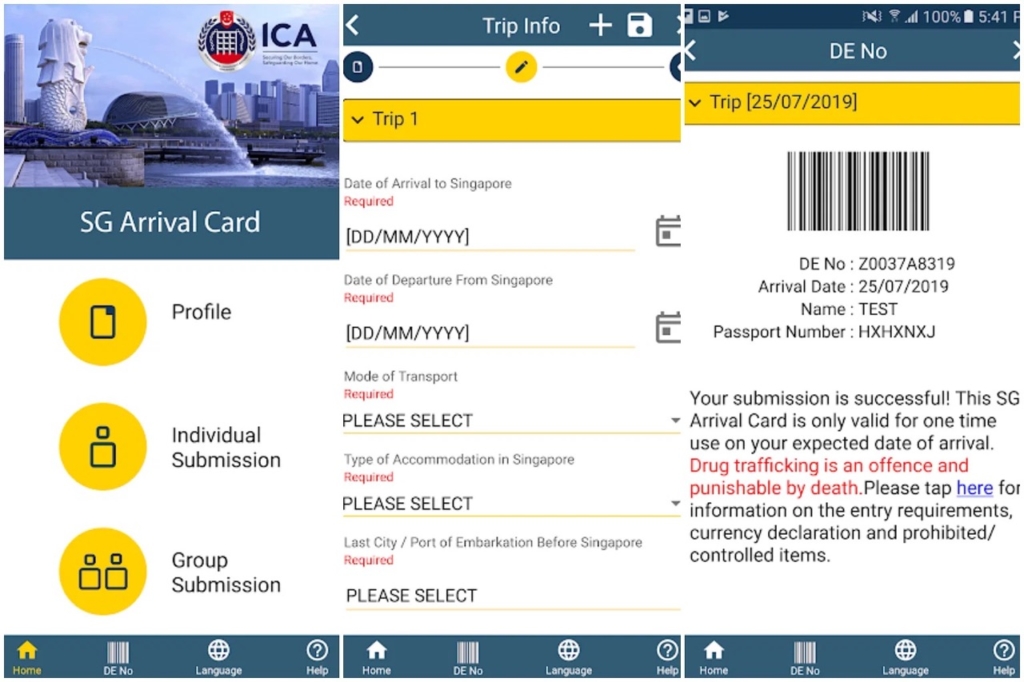
While Singapore, Malaysia, and Cambodia are often cited as models, other territories are also exploring arrival cards to replace or upgrade their existing entry controls. It wouldn’t be surprising if additional ASEAN members (Association of Southeast Asian Nations) follow suit over the next few years.
In Cameroon, the Directorate-General of Customs mandated the use—starting January 1, 2024—of a non-intrusive mobile app for passenger checks, replacing the previous paper declarations distributed by airlines. This arrival-card-style attestation is already available on iOS and Android, and travelers simply present a generated QR code upon arrival.
The future of e-Visas
While arrival cards focus on collecting traveler data regardless of visa status, e-Visas are not obsolete. Many countries still prefer them, and some destinations even combine both systems—e-Visa and arrival card—to enhance efficiency, especially since the data requested often overlaps.

As CEO of Visamundi, I am dedicated to simplifying international travel by assisting our clients in obtaining visas worldwide. By staying at the forefront of ever-changing regulations, I ensure our agency remains a trusted pillar in the visa services industry.
Get our visa news first in your Google results: add Visamundi to your preferred sources.
