

India’s 30-Day e-Visa Now Allows Multiple Entries: What You Need to Know
India’s 30-day e-Visa now permits multiple entries, making it easier to explore neighboring countries like Nepal and Bhutan without applying for longer-term visas. Discover the key changes and how to apply.
The majority of international travelers require a visa (electronic or traditional) to enter India. Previously restricted to two entries, the 30-day Indian tourist e-Visa now permits multiple entries during its validity period—a significant advantage for travelers combining visits to neighboring countries like Nepal or Sri Lanka. Indian authorities updated this policy via the official e-Visa portal.
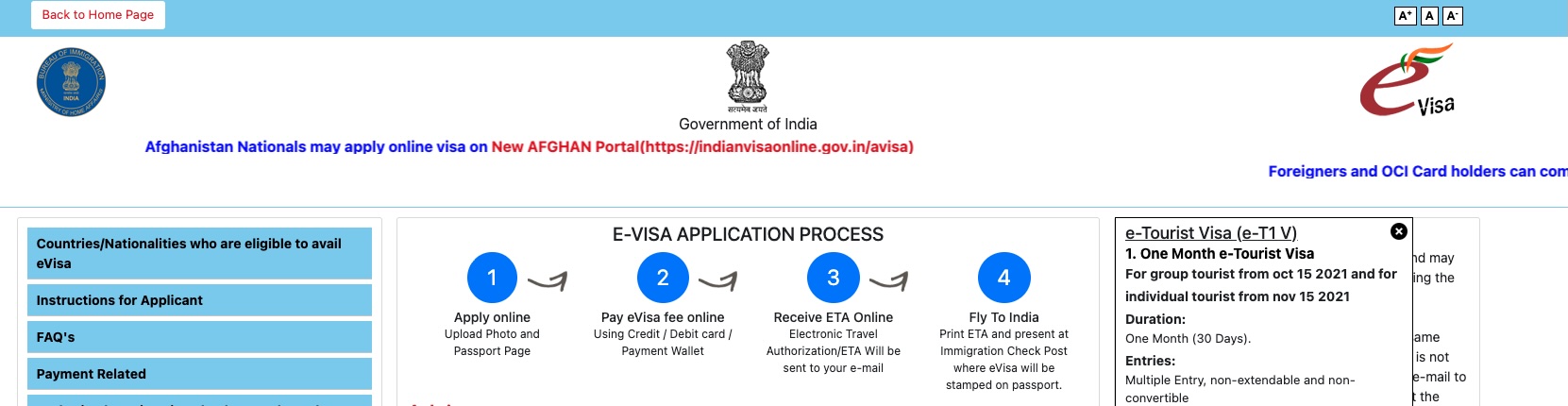
Before vs. After: How the 30-Day e-Visa Changes for Travelers
Until recently, the short-stay e-Visa (30 days) restricted cross-border movements. India’s new directive adapts to the realities of modern, flexible global travel.
Feature of the 30-Day e-Visa | Old Rules | New Rules |
Entry Count | Maximum 2 entries | Multiple entries permitted |
Cross-Border Flexibility | Very limited | Fully flexible (during validity) |
Best for | India-only trips | Multi-country circuits (Nepal, Sri Lanka…) |
Validity Period | 30 days from first entry | 30 days from first entry (unchanged) |
Our agency’s tip: Your e-Visa activates upon your first entry to Indian immigration. The 30-day countdown begins at that moment. All subsequent entries must occur within this 30-day window.
Why the Multiple-Entry 30-Day e-Visa Is a Game-Changer
Our agency assists travelers worldwide with Indian e-Visas daily. This update delivers major benefits, regardless of your departure region:
1. Build Regional Travel Circuits
India is becoming a global travel hub. Now you can:
Land in New Delhi and explore Rajasthan.
Take a short flight or cross a land border for trekking in Nepal or Bhutan.
Return to India to catch your international flight home—all without upgrading to a costlier 1-year or 5-year e-Visa.
2. Secure Complex Transit Connectivity
Many non-European travelers (e.g., from Africa or Southeast Asia) use Indian airports (Mumbai, Delhi, Bangalore) as transit hubs to reach destinations like the Maldives or Sri Lanka. The multiple-entry rule now covers round-trips requiring re-entry to India for low-cost carrier bag drop-offs.
Checklist: Ensure a Smooth Multiple-Entry e-Visa Application
To ensure your application meets India’s strict immigration standards, meet these criteria during submission:
Biometric passport: Must be valid for at least 6 months upon arrival in India and have two consecutive blank pages. The identity page must be uploaded in full color, sharp, glare-free, in PDF format.
Passport photo: Square file (2x2 inches or 51x51 mm), plain white background, no glasses, face fully exposed.
Submission deadline: Apply online at least 4 days before departure (sooner if possible).
Permitted Entry Points
While exits from India can occur at any authorized Immigration Check Post (ICP), entries—including secondary entries under the new rule—are restricted to designated checkpoints.
You must enter India by air or sea through approved ports of entry:
30 International Airports: Delhi, Mumbai, Chennai, Kolkata, Bengaluru, Hyderabad, Kochi, Goa (Dabolim & Mopa), etc.
Six Major Seaports: Mumbai, Cochin, Mormugao, Chennai, New Mangalore, and Port Blair.
Ground border warning: You may not enter India overland (e.g., by bus from Nepal with an e-Visa—even on your second trip). Ground arrivals require a sticker visa from an embassy.
How Our Agency Ensures Fast, Rule-Compliant Processing
Navigating government portals and technical file-size rules can be stressful when preparing multi-destination trips.
Our experts handle your e-Visa process from start to finish:
Document audit: Format your scans and photos to meet India’s cryptographic standards.
Form optimization: Accurately complete lengthy forms to minimize rejection risks.
e-Visa delivery: Receive, verify, and forward your Electronic Travel Authorization (ETA) for printing and airport presentation.
The expanded 30-day e-Visa flexibility offers a chance to explore South Asia with greater freedom. Make sure your documents are compliant, apply promptly, and enjoy smoother journeys across the region.
Don’t Forget the e-Arrival Card
As of April 1, 2026, the digital e-Arrival Card replaces the paper arrival form in India. It streamlines immigration checks—our agency supports you in securing the e-Arrival Card alongside your e-Visa.


Get our visa news first in your Google results: add Visamundi to your preferred sources.
