

In 2026, Japan plans to increase visa issuance fees for foreign nationals, with increases ranging from 500 % and 900 %. This tariff revision is a direct response to the growing increase in the number of foreign residents in the archipelago, a figure that has reached a historic high of nearly four million people in June 2025.
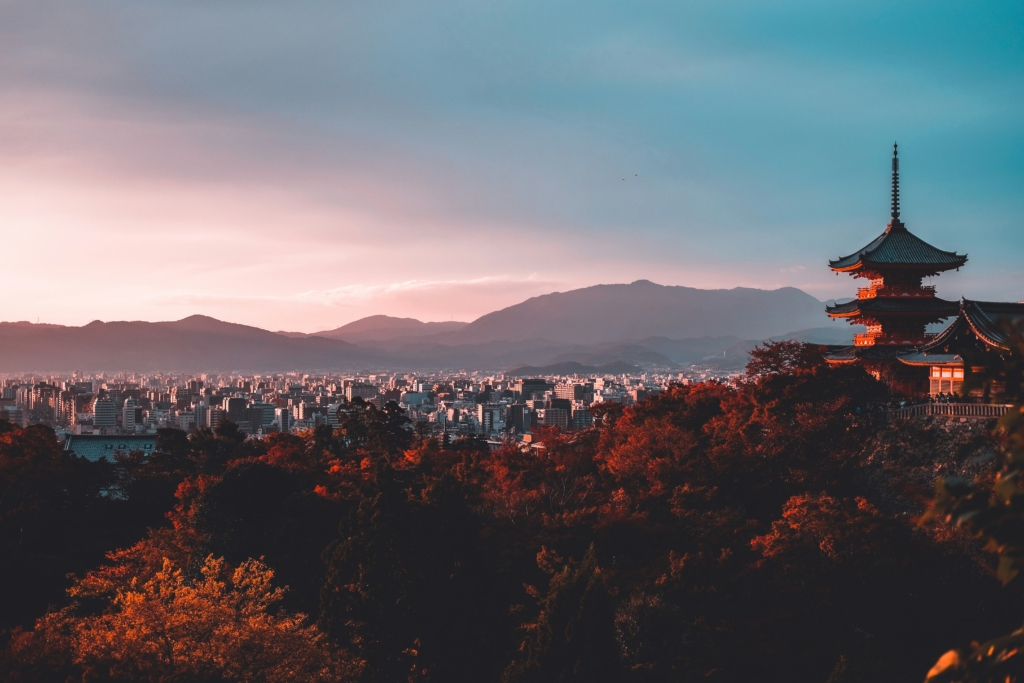
Su San Lee, Unsplash
Increase in visa fees
According to the anticipated new fee schedule, the cost of changing visa status or reissuing a visa is expected to increase from ¥6,000 (33 €) à ¥40,000 (218 €). The increase will be even more pronounced for permanent residence applications, where fees are expected to jump by ¥10,000 (55 €) à ¥100,000 (546 €).
To make these changes effective, the government plans to submit a bill during the next regular parliamentary session. This bill will aim to revise the current immigration control law, which currently caps immigration fees at ¥10,000 (55 €). The implementation of these new rates could extend from’April 2026 to March 2027.
Japanese citizens will still be subject to the departure tax, but authorities are considering reducing passport application and renewal fees to lessen the financial impact on residents.
Departure tax and hotel tax
Introduced in 2019, the departure tax is set at ¥1,000 (5 €) per person. It is automatically included in the price of the plane or boat ticket, so travelers do not pay it separately at the time of departure. The Japanese authorities are considering increasing the fee to ¥3,000 (16 €).
There lodging tax in Japan is mainly a local tourist tax added to the price of hotel stays. In order to better manage tourist flows, it has been introduced in one of Japan's most iconic cities, Kyoto. The scale is expected to be updated according to the type of accommodation chosen during the stay.
New JESTA system for visa waivers
The government is also preparing a new immigration system for 2028., the JESTA electronic travel authorization (Japan Electronic System for Travel Authorization), intended for nationals of countries currently exempt from visa requirements. Inspired by the European ETIAS, this system would be accompanied by an additional fee estimated at 6,000 yen (33 €).
Towards more sustainable tourism
This strategy also responds to the growing tensions caused by the rise of tourism, which is putting pressure on infrastructure and the daily lives of residents. Between January and September, the country welcomed a record 31.6 million international visitors, significantly exceeding pre-pandemic levels.
Always with the goal in mind improve flow management, protect historic sites, strengthen local public services, and make tourism more sustainable for both residents and visitors, local authorities explain, and could involve tourists in local development.

 English
  Français
  Deutsch
  Italiano
  Español