

Japan is experiencing an unprecedented tourist craze. While the shrines of Kyoto and the bustling streets of Tokyo continue to inspire travelers from all over the world, this massive influx is not without consequences. To preserve its heritage and modernize its infrastructure, Japan has put in place a number of measures. new tourist taxes effective from april 1, 2026.
The Japanese authorities had announced end of 2025, hotel and tourist tax increases as well as departure tax (automatically included in the price of the plane or boat ticket).
Visa exemption applies to several nationalities, including European citizens. If you are eligible for this program, you can travel without a visa, for a defined length of stay, which can be up to 90 days. The e-visa platform is available to nationals of the following countries: Australia, Brazil, Cambodia, Canada, Saudi Arabia, South Africa, Taiwan, United Kingdom, United States.
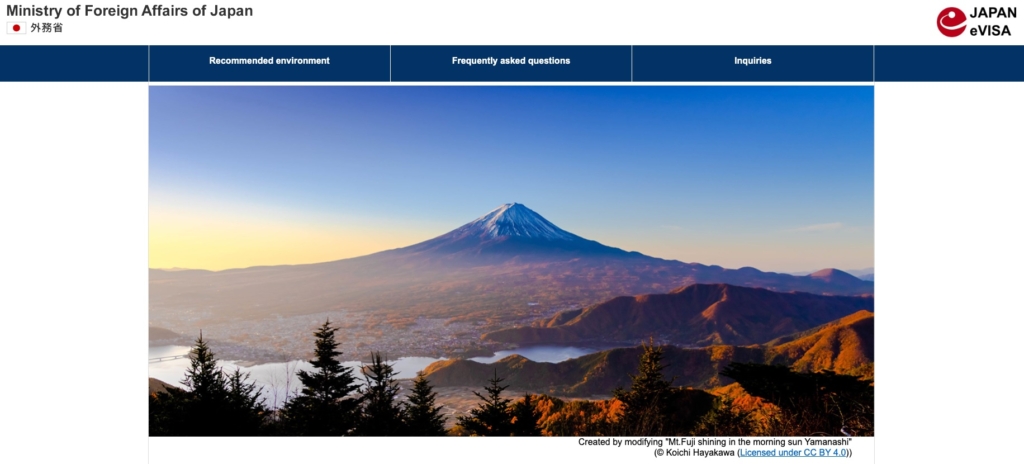
Why is Japan introducing new tourist taxes?
The phenomenon of “overtourism” (or overtourism) is weighing heavily on some Japanese municipalities. The aim of these new measures is twofold:
–Relieve congestion in high-tension areas by smoothing out tourist traffic.
–Financing local infrastructure improvements (transportation, multilingual signage, maintenance of historic sites) to ensure a smooth and pleasant experience for international visitors.
Please note: These taxes apply exclusively to overnight stays (hotels, ryokans, inns). Day tours (day trips) are exempt.
Mapping tourist taxes: Changes by region
As taxes are administered locally, each prefecture or city applies its own scale, generally calculated according to the price of the room. The rule is simple: budget accommodation is taxed less than luxury hotels.
Here are the geographical details of the samples to be taken during your tour:
🏔️ Hokkaido and Sapporo: The Far North
Hokkaido Prefecture: The tax varies from 100 to 500 JPY per night and per person (i.e. around €0.60 to €3.00 / €0.65 to €3.25 $), depending on the standard of the establishment.
City of Sapporo : The island's capital adds its own surcharge. Count on 200 additional JPY for rooms costing less than JPY 50,000 per night (around €300), and Additional JPY 500 for luxury overnight stays exceeding this amount.
⛩️ Hiroshima: History and Memory
Hiroshima Prefecture spares small budgets. The 200 JPY per night applies only to travelers staying in establishments charging more than 6,000 JPY (approx. 36 € / 40 $) per night. Below this rate, you are totally exempt.
♨️ Other Prefectures and Spa towns
Gifu (Gifu Prefecture) & Toba (Mie Prefecture) : A single, simplified rate of 200 JPY per night and per person, regardless of the type of accommodation.
Yugawara (Kanagawa Prefecture): Famous for its hot springs (onsen), the city charges a tax ranging from 300 and 500 JPY per night.
📅 Coming in June 2026
Other regions are following suit. The Ministry of Internal Affairs has already approved the introduction of similar taxes for the Nagano prefecture, as well as for the cities of Kumamoto And Miyazaki. The exact amounts will be announced shortly.
Departure tax set to rise
In addition to hotel nights, transport taxes are also changing. Factor into your overall budget that the departure tax from Japan (levied on your return flight) is set to increase in the future. triple by July 2026. Although this amount is generally included directly in the price of your plane ticket by airlines, it is a strong indicator of the country's determination to regulate tourist flows.
Our agency's advice
As an agency that assists international travelers in obtaining their e-Visa for several destinations, we realize that these taxes, although minimal on the scale of an overnight stay, can represent a sizeable budget for an extended stay.
Our 3 tips for a smooth trip:
Bring cash (Yen): While large hotels often include this tax when you book online, many traditional accommodations (ryokans) and smaller establishments will ask you to pay it. in cash at check-in or check-out. Always carry spare change.
Optimize your itinerary : As day visits are not taxed, you can set up your base camp in a less-taxed neighboring prefecture by using a Japan Rail Pass regional.
Anticipate administrative issues: Japan is tightening up its conditions of entry to preserve the comfort of its visitors. Make sure your travel documents are impeccable. Check your visa requirements well before departure, especially if you are a national of a non-exempt country.

 English
  Français
  Deutsch
  Italiano
  Español